
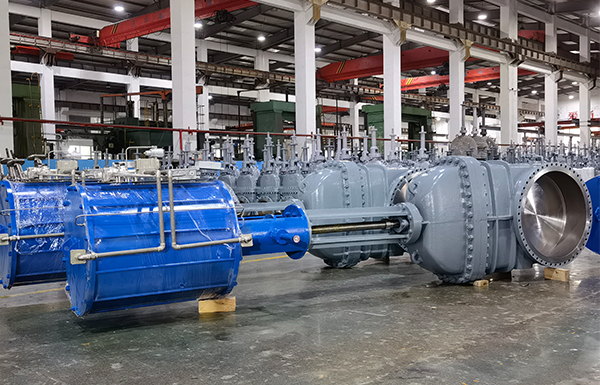
1. Core Advantages of Gate Valves Low fluid resistance, strong flow capacity The opening and closing component (gate) of the gate valve moves vertically along the valve seat passage. When opened, the gate aligns with the flow direction, creating a straight-through channel. This design ensures minimal directional change for fluid flow, resulting in extremely low pressure loss (typically ≤0.1MPa), making it particularly suitable for large-diameter and long-distance transportation scenarios (e.g., pipelines with DN300 and above). For instance, in the main water supply pipelines of water treatment plants, gate valves can significantly reduce energy consumption, cutting pumping costs by approximately 30% compared to globe valves. The sealing performance is reliable and suitable for high-pressure scenarios The sealing surface of the gate valve is achieved through metal hard sealing or rubber soft sealing, ensuring stable sealing under high-pressure conditions (e.g., PN16-PN40). Taking the ductile iron gate valve as an example, its sealing surface can achieve a roughness of Ra0.8μm after precision grinding. Combined with a hard alloy coating, it can withstand particle wear in the medium and has a service life exceeding 10 years. Additionally, the bidirectional sealing design enables effective flow control under both forward and reverse pressure, making it suitable for applications requiring frequent flow direction switching (e.g., fire protection systems). Simple structure, low maintenance cost Gate valves have fewer components (typically including only the valve body, gate, stem, seals, and drive mechanism) and lack complex flow channel structures, resulting in lower failure rates compared to globe or ball valves of the same specification. Taking the DN100 manual gate valve as an example, its maintenance cycle can reach 5 years, requiring only periodic inspection of seal wear and lubricant replacement, with a single maintenance cost of approximately 200-500 yuan, significantly lower than the cost of replacing a ball valve's sealing ring (around 800-1500 yuan).
Read More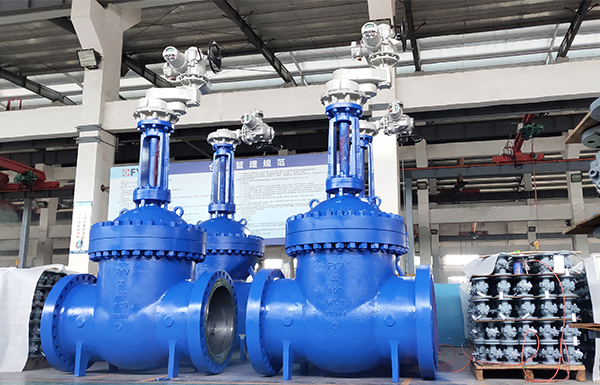
1. Clearly define the diameter of your company's pipelines and know what diameter and connection method of electric ball valves to choose. 2. According to the needs of the pipeline, first determine some common parameters of the electric ball valve, such as discharge capacity, allowable flow resistance, valve seat hole diameter, etc. If these parameters are not selected correctly, the effectiveness of the electric ball valve in controlling flow will be greatly reduced. 3. According to the working temperature of the pipeline, choose the appropriate material, and of course, the working pressure of the pipeline should also be taken into account. 4. In addition, it should be reminded not to rush to choose products, but to first understand the popular electric ball valve products The best way to understand the products and their performance is to contact multiple manufacturers of electric ball valves, consult with them, and request relevant product information.
Read More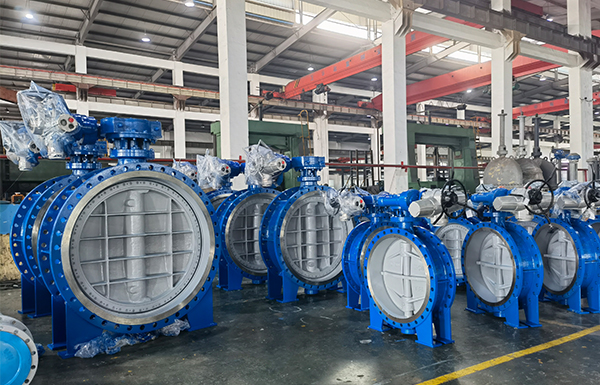
The core of valve installation and maintenance lies in strictly following flow direction markings, ensuring stress free connections, maintaining clean sealing surfaces, and regularly lubricating and rust preventing. Incorrect operation can easily lead to seal failure, valve stem jamming, or medium leakage. 1、 Key installation precautions Verification and Inspection Before installation, check whether the model, pressure rating, material, and flow arrow are consistent with the design requirements. Check the valve body for cracks and deformation, remove impurities (welding slag, iron filings) inside the valve, and strictly prohibit installation with impurities to avoid scratching the sealing surface. Fragile material valves (such as cast iron) should be handled with care to avoid impact. Direction and posture Strictly follow the flow direction: globe valves, check valves, pressure reducing valves, etc. must have directionality, and the arrow on the valve body must be consistent with the flow direction of the medium; Globe valves typically require a "low in, high out" condition. Installation posture: The pressure reducing valve needs to be installed upright; Bright stem gate valves should not be installed underground to prevent valve stem corrosion; The actuator (electric/pneumatic) should prioritize vertical upward movement and must not be inverted to prevent water ingress or grease loss. Space reservation: The height of the handwheel or operating mechanism above the ground should be about 1.2 meters, and sufficient space should be reserved for maintenance and disassembly.
Read More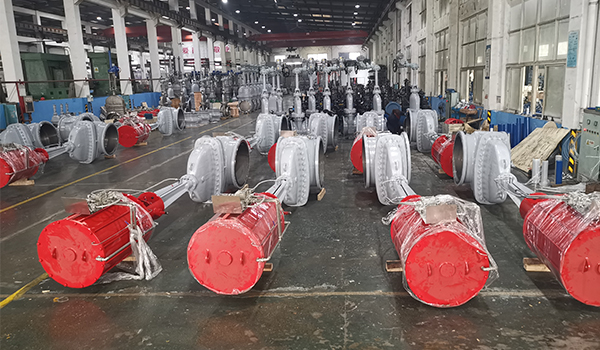
In 2025, ONERO VALVE, a manufacturer of industrial valves and flow control solutions, delivered multiple key projects, further advanced the Factory manufacturing facilities, and completed the integration of its digital systems. These milestones reflect a year of steady execution and measurable progress. Achieved through strong team collaboration and disciplined execution, 2025 marked a year of solid progress and sustainable growth for ONERO.
Read More